
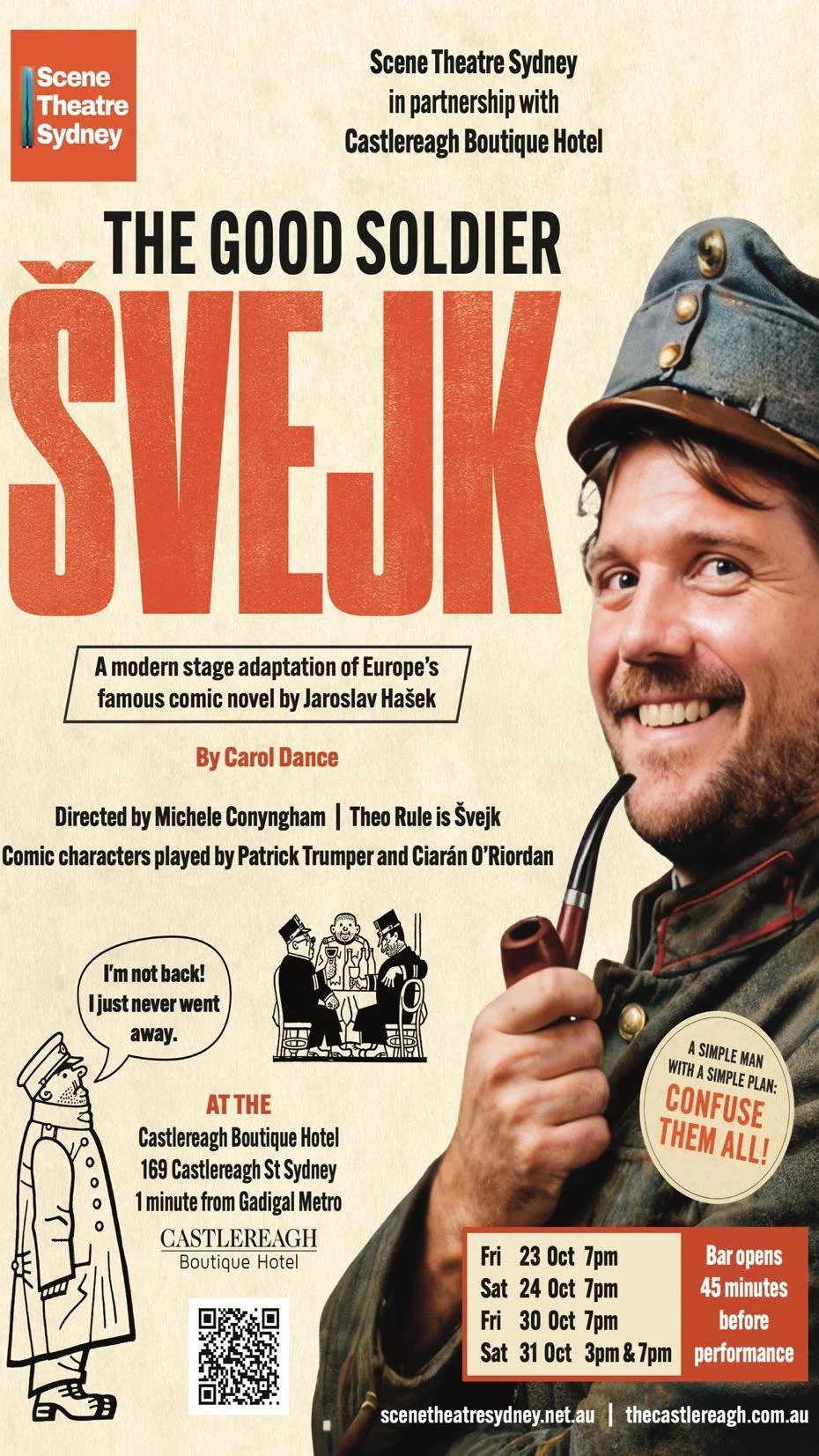
The Good Soldier Švejk
A modern stage adaptation of Jaroslav Hašek’s comic novel
by Carol Dance
Artistic Director of Scene Theatre Sydney
The Good Soldier Švejk
is presented in partnership with the Castlereagh Boutique Hotel, 169 Castlereagh Street, Sydney
Friday October 23, 7 to 8.30 pm preview
Saturday October 24, 7 to 8.30 pm
Friday October 30, 7 to 8.30 pm
Saturday October 31, 3 to 4.30 pm
Saturday October 31, 7 to 8.30 pm

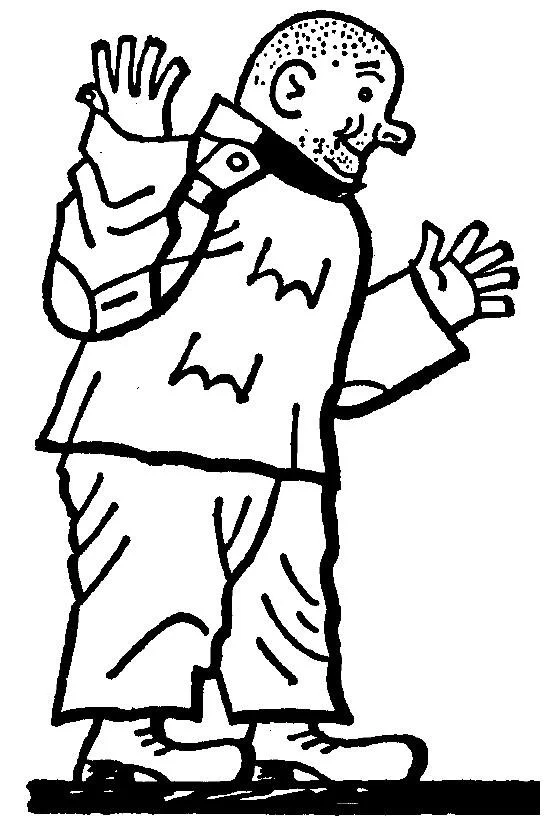
Who is Josef Švejk ?
The fictional character in the novel. He is cheerful, unshakeable, unpredictable and seemingly simple - yet somehow, he survives (and quietly subverts) a world gone mad around him. He is the ‘everyman’ who reminds us of the resilience of the human spirit. So beloved is Švejk that there are many statues of the character in Europe.
When the Soviet Union invaded Czechoslovakia in 1968, Švejk’s spirit was recalled when the ‘Švejkites’, as the resistance fighters were called, fought and won.
Is Švejk’s legacy spreading throughout the world?
What is to švejkovat? To make mockery of the authorities by obeying them completely.
Here are the creative people
-
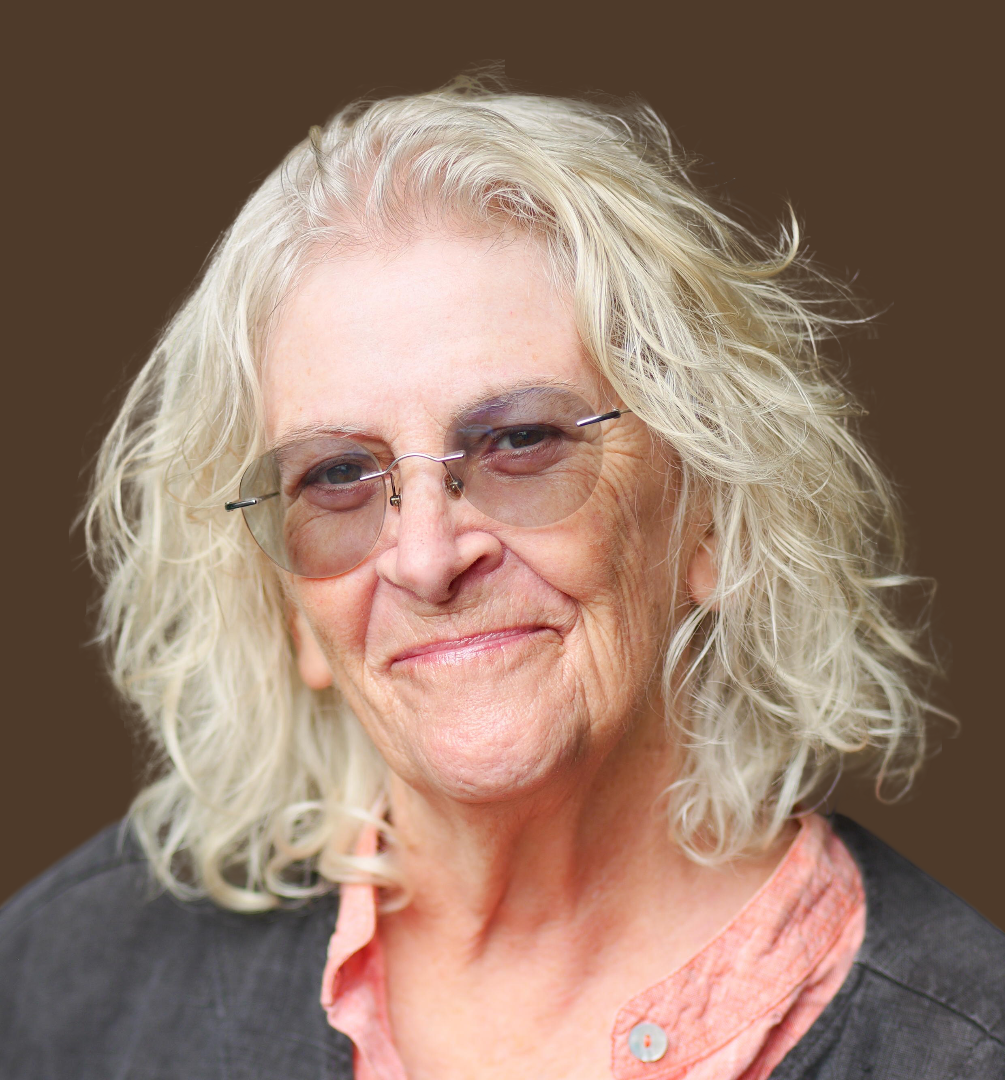
Michele Conyngham, director
Michele is an actor, writer, director, musician and artist. Recent work includes writing and directing The Poet’s Guide to Science (Questacon, Adelaide Festival Fringe & Powerhouse), performing in Rumpelstiltskin and the Missing Research Grants (Smiths Alternative, Canberra) and Stir Fried Science (Butterfly Club, Melbourne, and Sydney Fringe Festival). As an actor, she has performed all over Australia including Bridie in The Shoe-horn Sonata at the Joan Sutherland Centre and the narrator in Peter and the Wolf for Lane Cove Philharmonic Society). In the UK she was part of the Liverpool Theatre Royal’s repertory company, performed in Sunset Song at the Edinburgh Fringe as the narrator - with a completely believable Scottish accent - and in the Half Moon Theatre production of Karl Valentin’s Komiker Kabaret. Karl Valentin, an anti-authoritarian Bavarian comic, was, like Svejk, one of Bertolt Brecht’s inspirations.
-
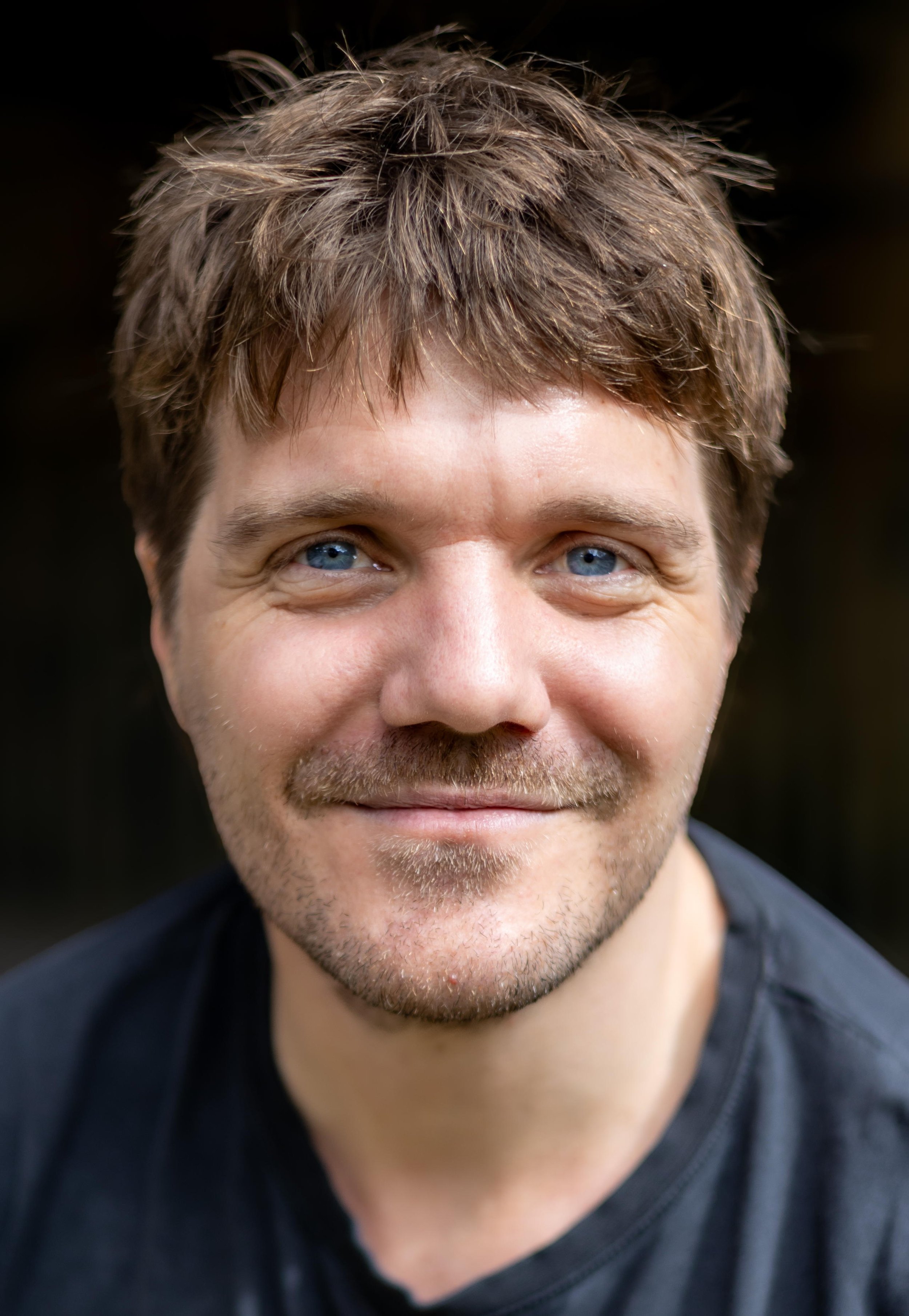
Theo Rule, Švejk
Theo Rule has written for and performed on many stages across Sydney and Newcastle. He studied at Actors Centre Australia and has taught drama to young people for many years. Recent stage credits include Henry VI Part 1 (Sydney Shakespeare Company, 2025), Vickie and Vinnie (Coffee House Productions, 2024), The Crucible (Point Break Drama, 2024), Single Ladies (Seed and Bloom, 2023), Brontë (Genesian Theatre, 2023), and Seed Hunters (Scene Theatre Sydney 2025). He received City of Newcastle Dramatic Awards (CONDA) for his original works I’ll be home for Christmas in 2020 and Saviour’s Day in 2016. Theo is also a writer for Take 5 magazine.
-
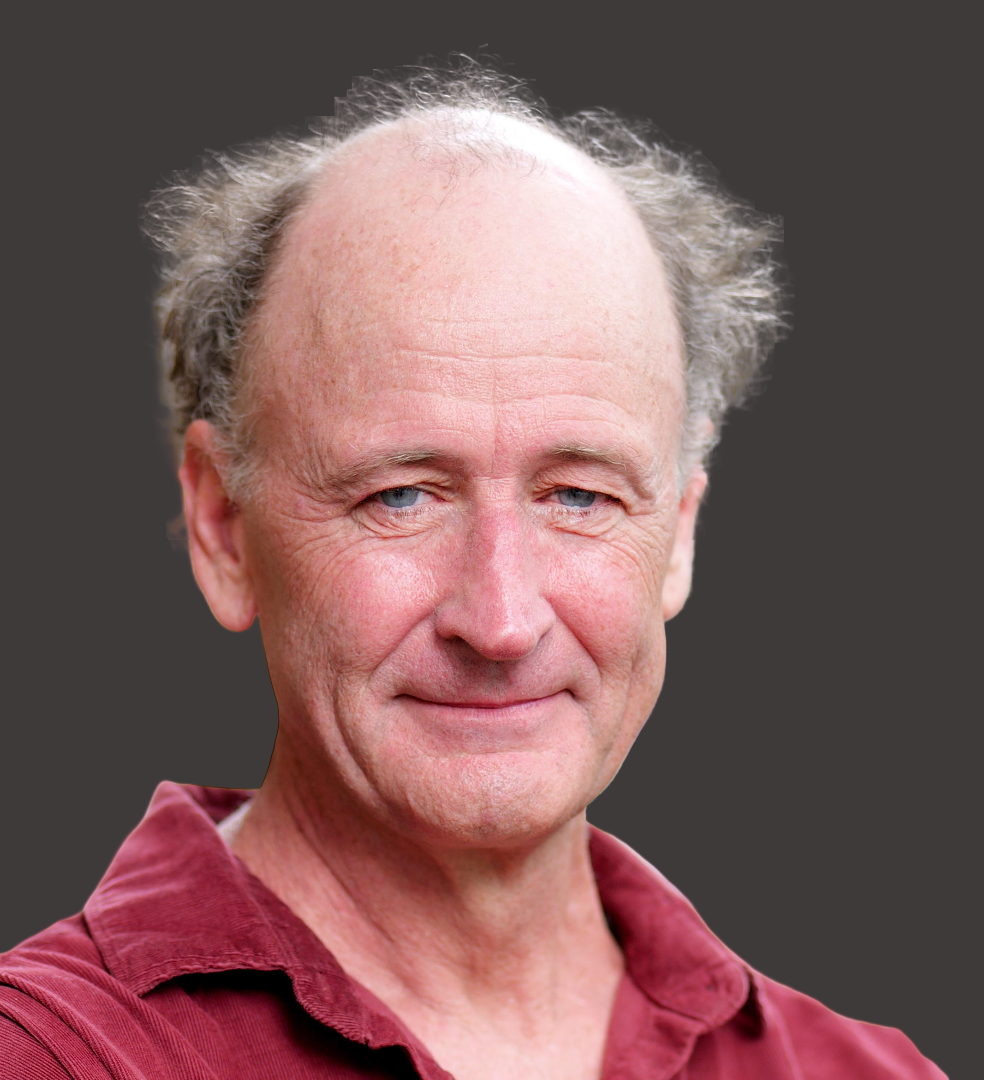
Patrick Trumper, multiple roles
Patrick is an actor, director, teacher and writer. Acting credits include Benedick in Much Ado About Nothing and Antipholus of Syracuse in The Comedy of Errors (Shakespeare on the Green), Macbeth in Macbeth (Bondi Pavillion), Kent in King Lear and Polonius in Hamlet (Harlos Productions) Rosencrantz in Rosencrantz and Guildenstern are Dead (Global Village Theatre), Amadeus in Amadeus (Enmore Theatre), Farmer Hoggett in Babe the Sheep Pig and Bill Barnacle in The Magic Pudding (MSTYP). He toured the UK in Shakespeare’s Queens: She-Wolves and Serpents in the role of Will Shakespeare, playing at Anne Hathaway’s Cottage in Stratford-upon-Avon and the Edinburgh Fringe before a season on the West End. His television roles include Darwin’s Brave New World, The Escape of the Artful Dodger, Farscape 2 and All Saints. Patrick is also a high school English and drama teacher.
-
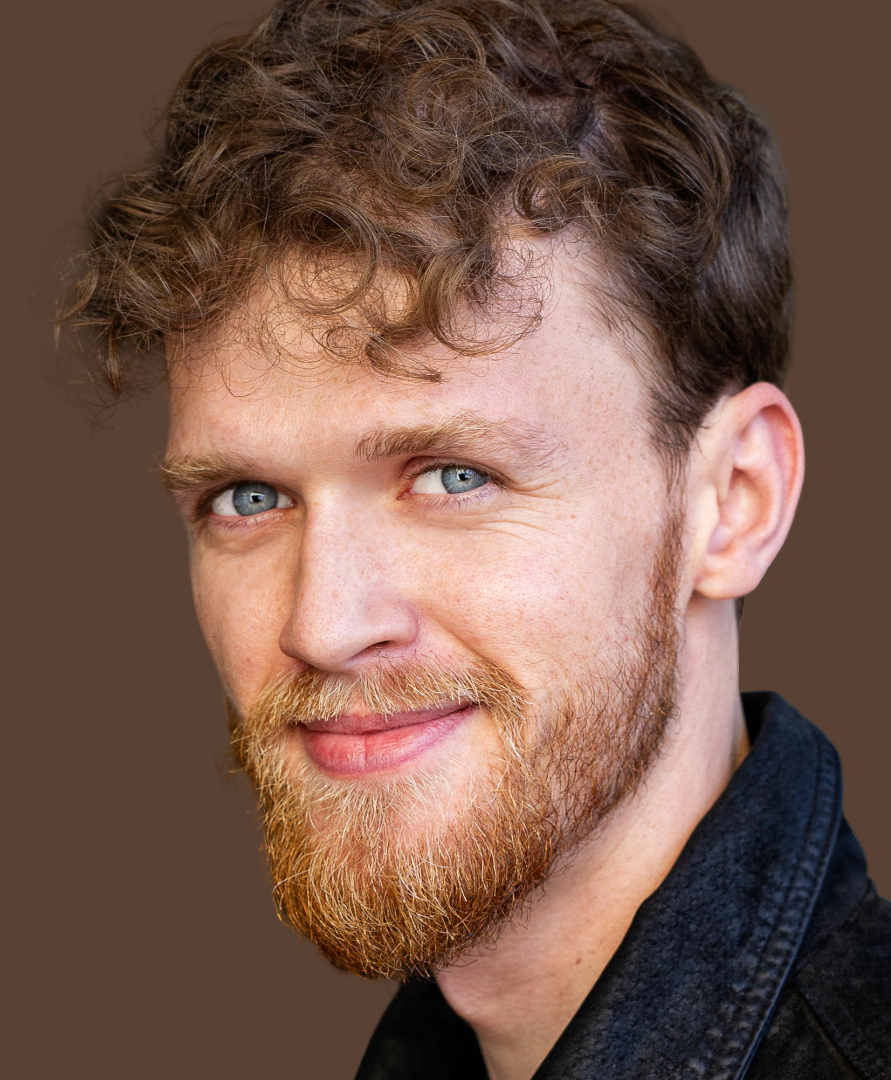
Ciarán O'Riordan, multiple roles
Ciarán is a member of Come You Spirits, an independent Shakespeare company, for whom he plays Puck, Romeo, Ferdinand and Macduff. Other recent credits include Estragon in Waiting For Godot (ACA Wheelhouse), Isaac in Grain in the Blood at KXT (Virginia Plain), Chimerica (New Theatre) and Sydney The Folk Musical (Newcastle Fringe, National Folk Festival). Ciarán is an ACA graduate, and also a voice actor and morris dancer.
-
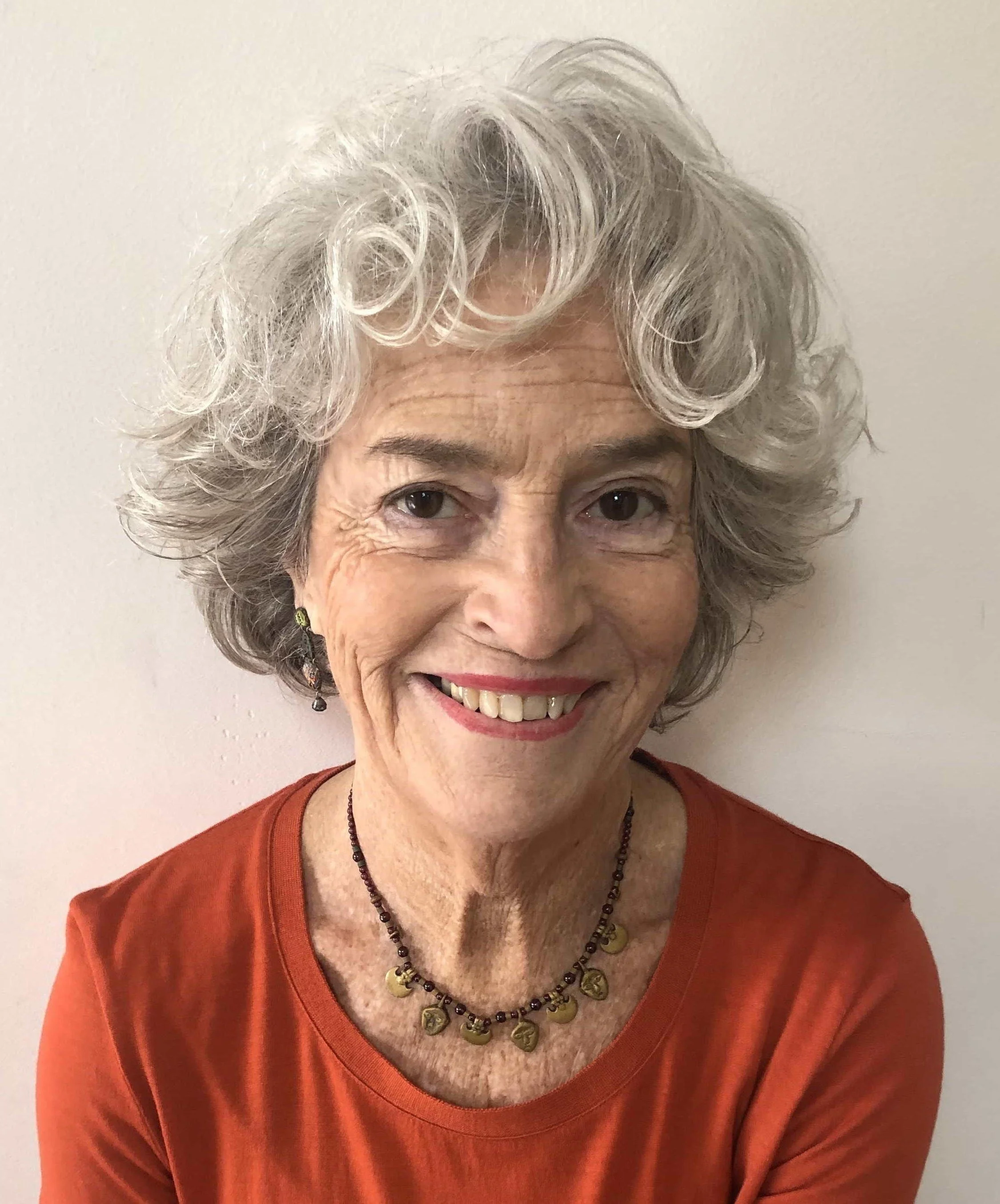
Carol Dance, adaptor
Carol is the Artistic Director of Scene Theatre Sydney, a company she founded in 2008. Fourteen of her short plays have been produced in play festivals (Sydney, India, Malaysia and Lake Macquarie). Her play Indian Embrace was produced by Nautanki Theatre (Riverside) and then by the Indian Association (Adelaide). She produced her first full length play Spiral of Love at the Old Fitz in 2008. Her other self-produced full plays are On Golden Soil, Gallery Guard, Future Seekers and Seed Hunters.
Carol initiated the idea of WORLDS ALIVE, script-in-hand readings of global plays. WORLDS ALIVE has become Scene Theatre Sydney’s annual presentation of excellent plays never seen before in Australia from unexpected places, including Jamaica, Papua New Guinea, Korea, Indonesia, The Philippines, Brazil, Ukraine, Japan, Iraq and India. WORLDS ALIVE 2027 plays are from Saint Lucia, Czech Republic, Uganda and Senegal
-
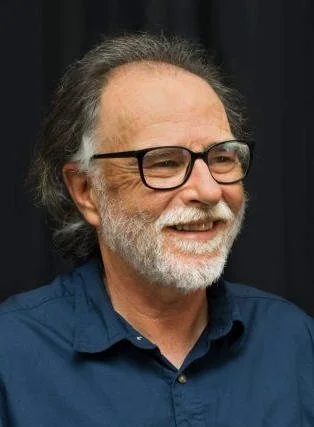
Nigel Edwards, composer
Nigel was born in the UK and studied at the City of Leeds College of Music and the Royal Northern College of Music. As an orchestral player he has performed in Europe and the USA. Nigel taught at the Wollongong Conservatory for 39 years. During that time he taught oboe, clarinet, bassoon and saxophone, as well as being the Director of the BlueScope Youth Orchestra. He has worked extensively as an arranger and composer.
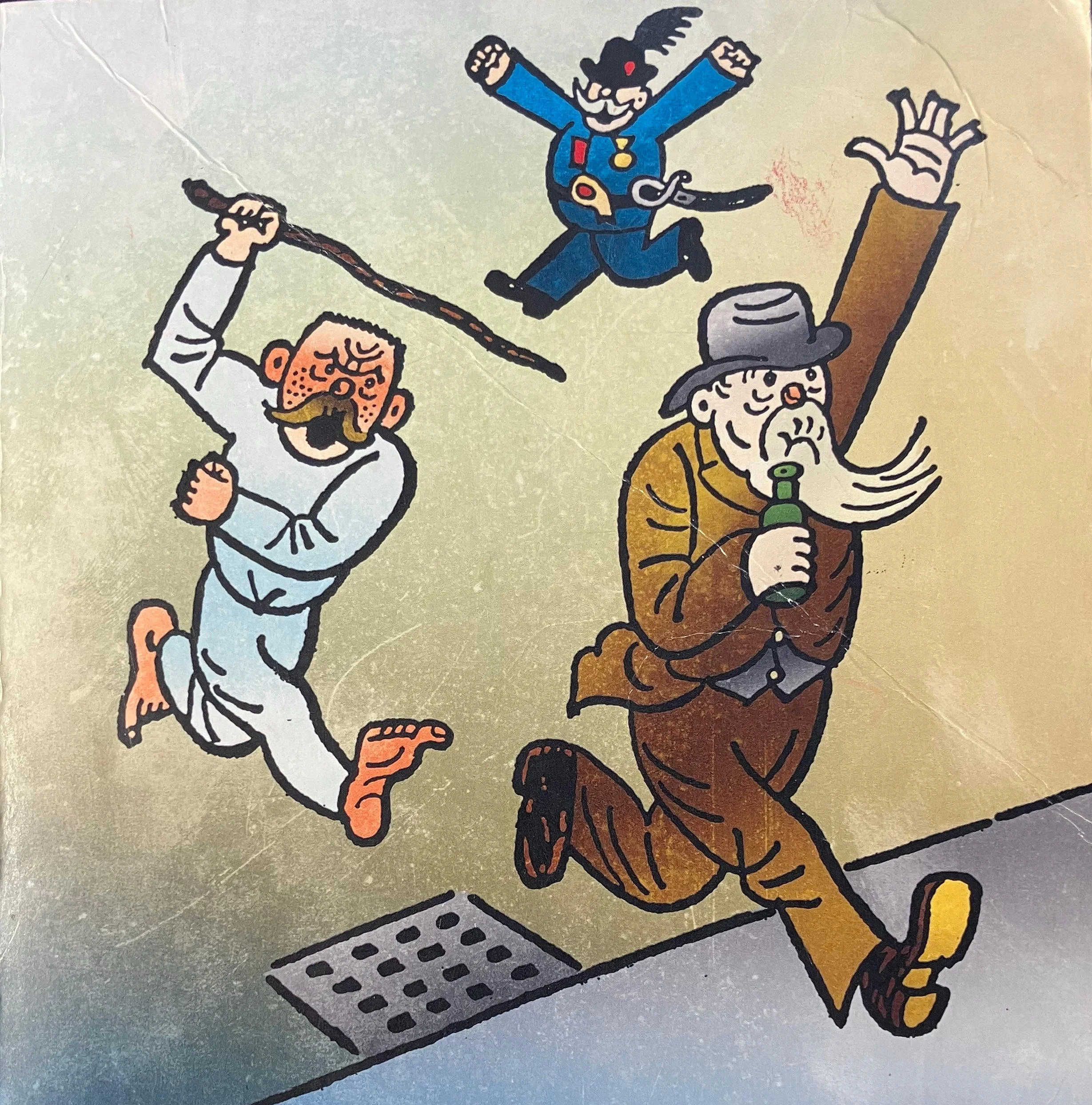
Who was Jaroslav Hašek?
He was a Czech who lived from 1883 to 1923. He was at various times a soldier, an anarchist, a Bolshevik, an itinerant, and always a writer. He wrote short fictional stories about Soldier Švejk that were eventually published as a comedic satirical anti-war novel of 700 pages in 1921.
Švejk follows every order to the letter, so precisely that the system begins to unravel.
A comedy about obedience gone terribly right.
The war machine meets the loose screw.
Glorious ineptitude.
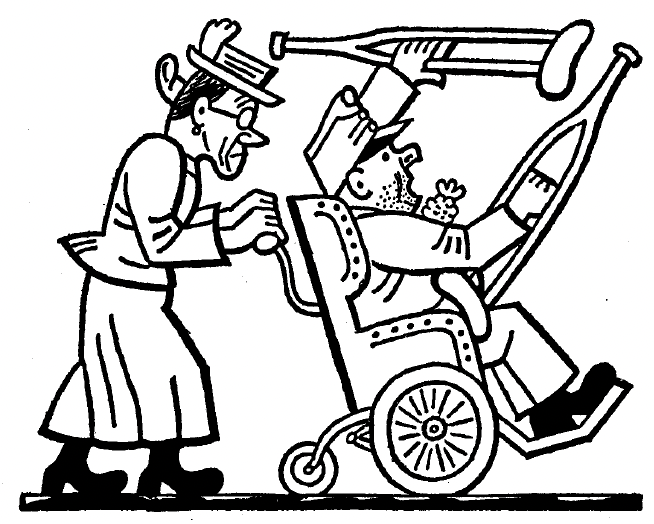
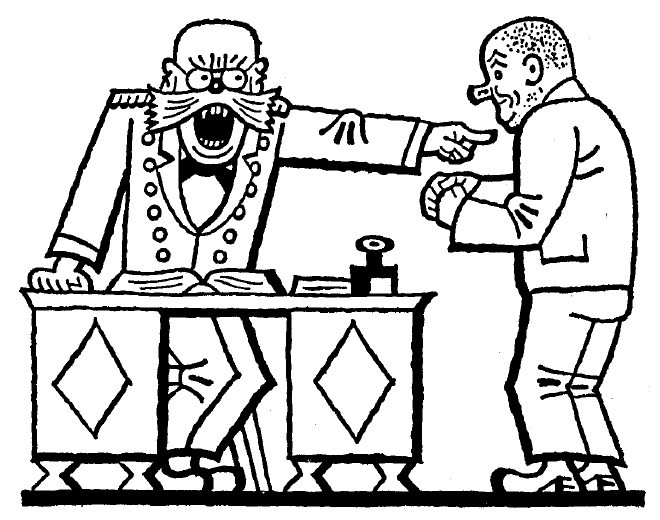
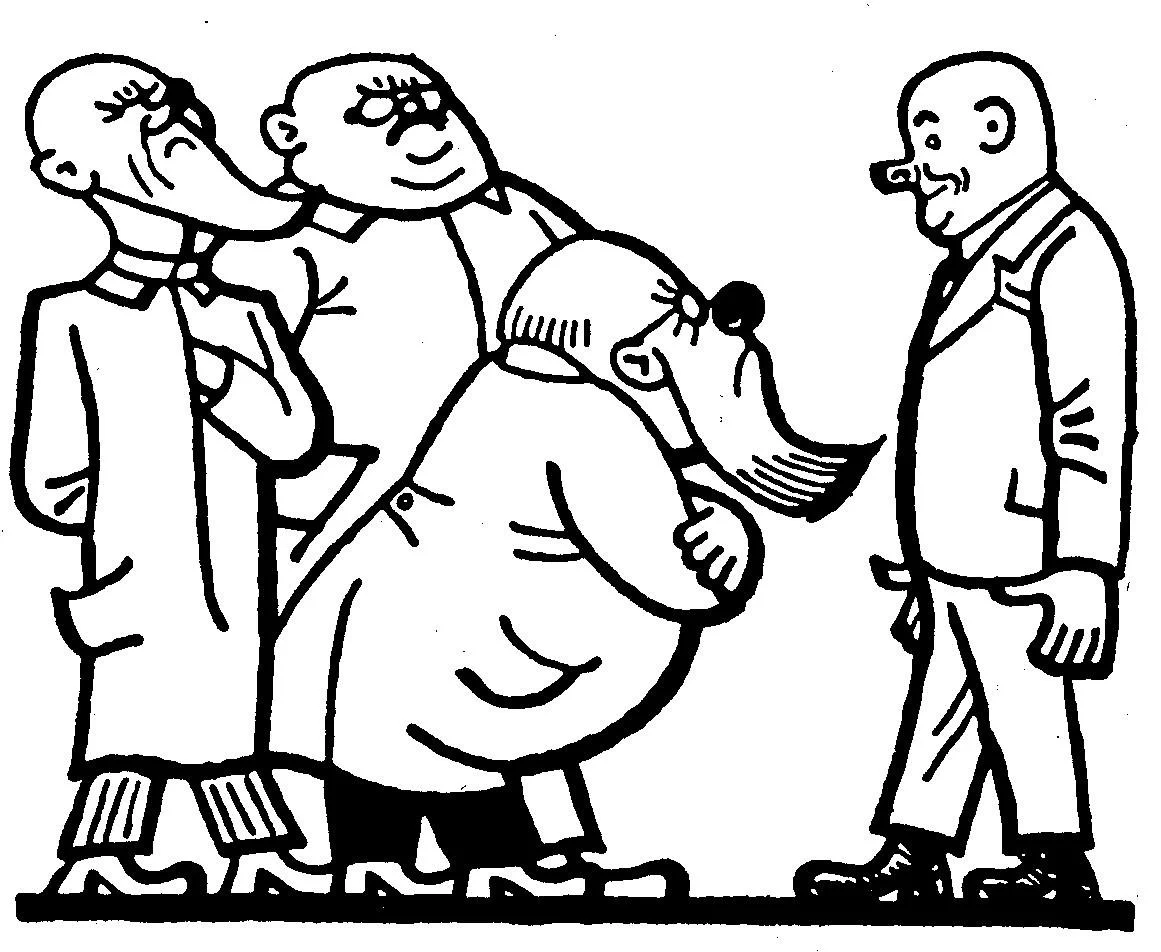
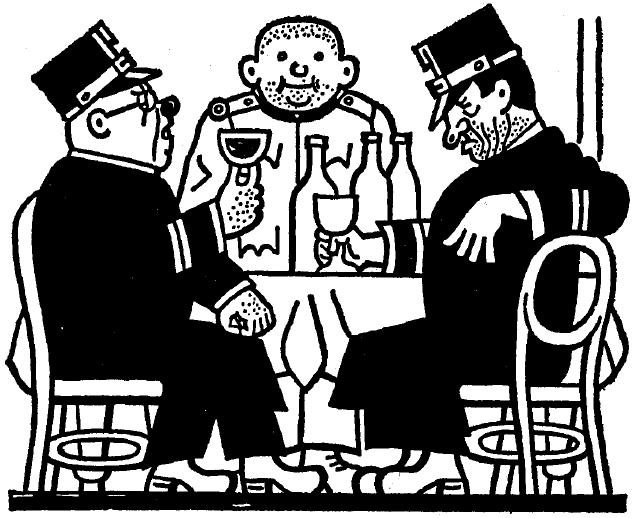
The illustrator, Josef Lada
Josef Lada was a friend of Jaroslav Hašek. He was commissioned to draw 540 pictures of Švejk for the Sunday Supplement of a Czech newspaper.
Three sources were used to create this stage adaptation: the translation of the novel by England’s Paul Selfer (1930), the translation of the novel by England’s Sir Cecil Parrot (1993) and the partial stage adaptation of the novel by Canadia’s Michael John Nimchuk (1974).
Previous Australian productions: The only known previous stage productions of the novel in Australia were at the Q Theatre (Penrith) in 1979 and as The Good Soldier Schweik at Victoria College, in Victoria in 1991 (according to Australian Stage archives).